Blog
 September 20, 2024
Why Naples Deserves a Spot on Your Italy Bucket List?
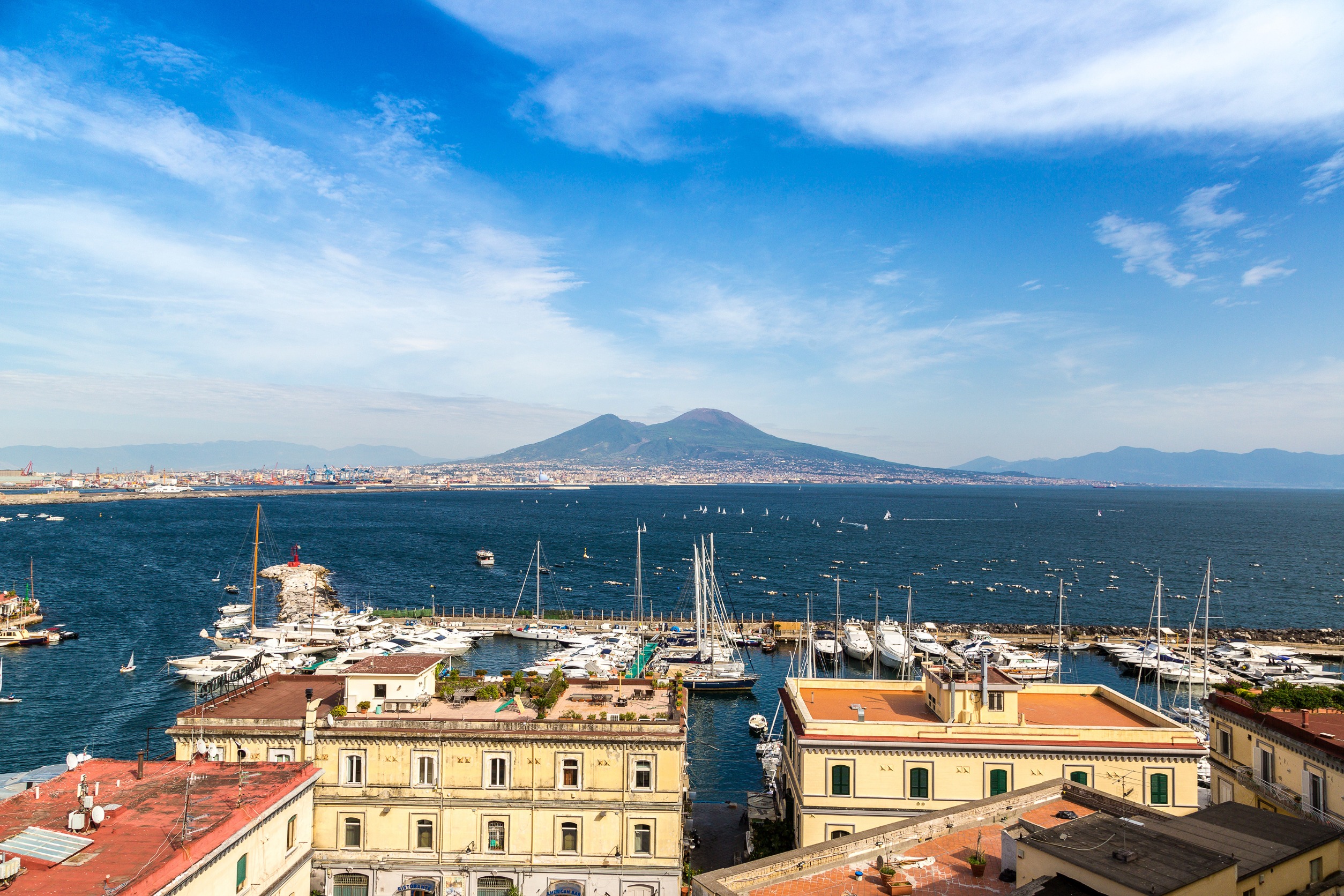
Italy is stunning, no doubt, but Naples? It’s got its own vibe that you just can’t ignore. Imagine wandering through ancient streets, then suddenly finding yourself by the coast with those postcard-worthy islands in view. Naples is the place where history, food, and coastal charm collide. Over 12 million people visited in 2023, and the city has only grown more popular with travelers since. From jaw-dropping scenery to unforgettable adventures on the water, Naples has it all—and it’s calling your name for your next trip.
What Is Naples?
Naples, located on Italy’s southwestern coast, is a striking blend of ancient history and bustling modern life. The streets are alive with buzzing scooters, colorful buildings draped with hanging laundry, and bustling markets where locals chat loudly over fresh seafood. Mount Vesuvius stands tall in the background, watching over the sparkling Bay of Naples and the nearby islands. Naples is a beautiful chaos—Roman ruins, ancient castles, and baroque churches blend effortlessly with lively street life. It’s gritty, bold, and bursting with energy at every corner!
When Is the Best Time to Visit Naples?
The best time to visit Naples is spring (April–June) or early autumn (September–October), when the weather is warm, ferries to Capri and the islands run frequently, and the summer crowds thin out. July and August are hot and busy — great for beach energy, less great for exploring ruins at midday. Winter is mild and wonderfully local: December brings the famous nativity-scene workshops of Via San Gregorio Armeno, and you’ll have museums and churches almost to yourself.
Is Naples Safe for Travelers? Practical Tips for a Safe Visit
Naples, like any big city, has its quirks, but it’s generally safe for travelers. Stick to well-lit areas at night, be mindful of your belongings, and stay alert in crowded spaces, especially around train stations. Pickpocketing can happen, but it’s no reason to avoid the adventure. Most of Naples’ energy comes from its vibrant street life! If you’re cautious and keep an eye on your valuables, you’ll enjoy everything the city offers without worries. Stick to popular neighborhoods like Chiaia, Vomero, and the Historic Center for a smoother experience.
Why Does Naples Have a “Rundown” Reputation — and Is It Deserved?
Type “Naples” into a search engine and the suggestions get blunt: rundown, gritty, bad reputation. Here’s the honest answer. Naples is one of Europe’s oldest and most densely lived-in city centres — laundry over the lanes, peeling palazzo facades, scooters everywhere — and decades of old headlines gave that look a story to stick to. What the reputation misses is that the “rundown” surface is largely the patina of a city that never stopped being lived in: those weathered buildings are centuries-old palaces, and the chaotic streets are a UNESCO-listed historic centre going about its normal day.
Is it deserved today? Mostly not. Naples has spent recent years in the middle of a tourism boom precisely because travellers discovered that the grit is the character: the same lanes that photograph “rough” serve the best pizza on earth, hide Caravaggios in working churches, and open suddenly onto the Bay of Naples. Treat the city with ordinary big-city awareness — covered in the safety section above — and the reputation becomes part of the experience rather than a reason to skip it. The travellers who love Naples most are usually the ones who arrived braced for the worst.
How Many Days Do You Need in Naples?
3-4 days in Naples is ideal for getting a real taste of the city. This gives you time to explore key sites like Pompeii, Castel dell’Ovo, and the Naples Cathedral, while also soaking in the vibrant local markets and indulging in the city’s famous food scene. If you want to add a day trip to Capri or the Amalfi Coast, consider extending your stay by an extra day for a more relaxed experience.
How Do You Get to Naples — and Around It?
Naples International Airport (Capodichino) sits only about 20 minutes from the city center, and high-speed trains connect Rome to Naples in roughly 70 minutes, making it one of the easiest southern Italian cities to reach. Within the city, the historic center is best on foot; for Pompeii, Sorrento, and the Amalfi Coast, a private transfer or chauffeur-driven day tour saves hours versus crowded regional trains — and the coastal roads are far more enjoyable when someone else is driving them.
What to Do in Naples?
Naples isn’t just a city to visit—it’s a place to experience fully. Here are some must-do in Naples to city tour to soak in the best of this energetic city:
1. Explore the Ancient Ruins of Pompeii
Take a day excursion to Pompeii, a UNESCO World Heritage site just a short ride from Naples. Walk through the preserved streets, explore ancient villas, and see the haunting plaster casts of the people frozen in time by the explosion of Mount Vesuvius. It's a surreal experience that takes you straight into Roman history.
2. Hike Up Mount Vesuvius
Ready for an adventure? Strap on your hiking shoes and make your way up to the crater of the infamous Mount Vesuvius. The hike is moderate, but the views from the top—overlooking Naples, Pompeii, and the Bay of Naples—are beyond breathtaking. Plus, there’s something thrilling about standing on the edge of a volcano that once wiped out entire cities.
3. Get Lost in Spaccanapoli
Dive into the beating heart of Naples by walking along Spaccanapoli, the narrow street that cuts straight through the city's historic center. Here, you’ll be surrounded by a whirlwind of life—locals chatting from balconies, vendors selling everything from fresh produce to religious figurines, and street performers adding to the vibrant atmosphere.
4. Visit the Catacombs of San Gennaro
Step beneath the city and explore the mysterious Catacombs of San Gennaro. This underground burial site offers a fascinating look at Naples’ early Christian history. The eerie tunnels are lined with ancient frescoes, and the site is less touristy, making it a hidden gem for history lovers.
5. Admire the Art at Museo di Capodimonte
If art is your thing, head to Museo di Capodimonte, located in a grand 18th-century palace. It houses incredible works by Caravaggio, Raphael, and Titian, among others. Not only is the art impressive, but the museum sits in a lush park where you can take a peaceful stroll after soaking in the masterpieces.
6. Relax at Castel dell’Ovo
Perched on the coast, Castel dell'Ovo is the oldest castle in Naples and offers stunning sea views. It's the perfect spot to relax, sip coffee from a neighboring café, and enjoy the sunset over the Bay of Naples. There’s something magical about this spot, where history and relaxation meet.
7. Take a Naples Underground Tour
Beneath the lively streets of Naples lies a hidden world. Take a Naples Underground (Napoli Sotterranea) tour to discover ancient aqueducts, Greek ruins, and even World War II bunkers. This tour takes you through 2,400 years of history right beneath your feet.
8. Catch an Opera at Teatro di San Carlo
Visit the oldest opera house in Europe that is still in use, the Teatro di San Carlo. Whether you’re an opera fan or not, stepping inside this architectural masterpiece is an experience on its own. If you can, catch a live performance and witness the grand splendor of Italian opera.
9. Wander Through the Royal Palace of Naples
Take a tour of the Palazzo Reale, the former residence of Spanish and Bourbon kings. The palace is filled with lavishly decorated rooms, grand staircases, and incredible art. Don’t miss the royal chapel and the majestic Hall of Mirrors.
10. Day Trip to Capri
For a glamorous escape, hop on a ferry and take a day trip to the island of Capri. Famous for its rugged landscape, crystal-clear waters, and upscale shops, Capri is an absolute must if you want to add a bit of luxury to your Naples itinerary. Don’t miss the Blue Grotto, a sea cave with dazzling, electric-blue waters.
The Best Day Trips From Naples at a Glance
| Day trip | Travel time from Naples | Best for |
|---|---|---|
| Pompeii | About 30 minutes | Roman history, UNESCO ruins |
| Mount Vesuvius | About 40 minutes | Crater hike, bay views |
| Sorrento | Around 1 hour | Cliffside charm, limoncello |
| Capri (by ferry) | Around 50 minutes | Glamour, Blue Grotto |
| Amalfi Coast (Positano, Amalfi, Ravello) | 1.5–2 hours by road | The world’s most scenic coastal drive |
| Procida & Ischia (by ferry) | 40 minutes–1 hour | Pastel harbors, thermal spas, fewer crowds |
Times are approximate; a private chauffeur lets you combine two stops (e.g., Pompeii + Vesuvius, or Sorrento + Positano) in one comfortable day.
Where to Eat in Naples?
Naples is the birthplace of pizza, and Pizzeria da Michele is a must-stop for that authentic slice of heaven! For a more gourmet experience, visit Gino Sorbillo or 50 Kalò. But it’s not just about pizza—Naples’ food scene is rich with seafood and pastries. At Scaturchio, indulge in sfogliatella, a deliciously flaky pastry, and enjoy fresh seafood dishes at Antica Osteria Pisano. Whether you’re eating at a street vendor or a chic restaurant, the food in Naples is as bold and exciting as the city itself.
Let’s Make Your Naples Italy Tours More Exciting
With Benvenuto Limos, your Naples Italy tours become a luxury experience tailored to your preferences. Travel in class and comfort with our fleet of premium vehicles—from sleek Mercedes sedans to spacious vans—fully equipped for safety and relaxation. Our English-speaking chauffeurs aren’t just drivers; they’re knowledgeable locals ready to guide you through Naples’ hidden gems, historic landmarks, and breathtaking coastal beauty. Arriving by cruise ship? Our Naples shore excursions are timed to your port schedule.
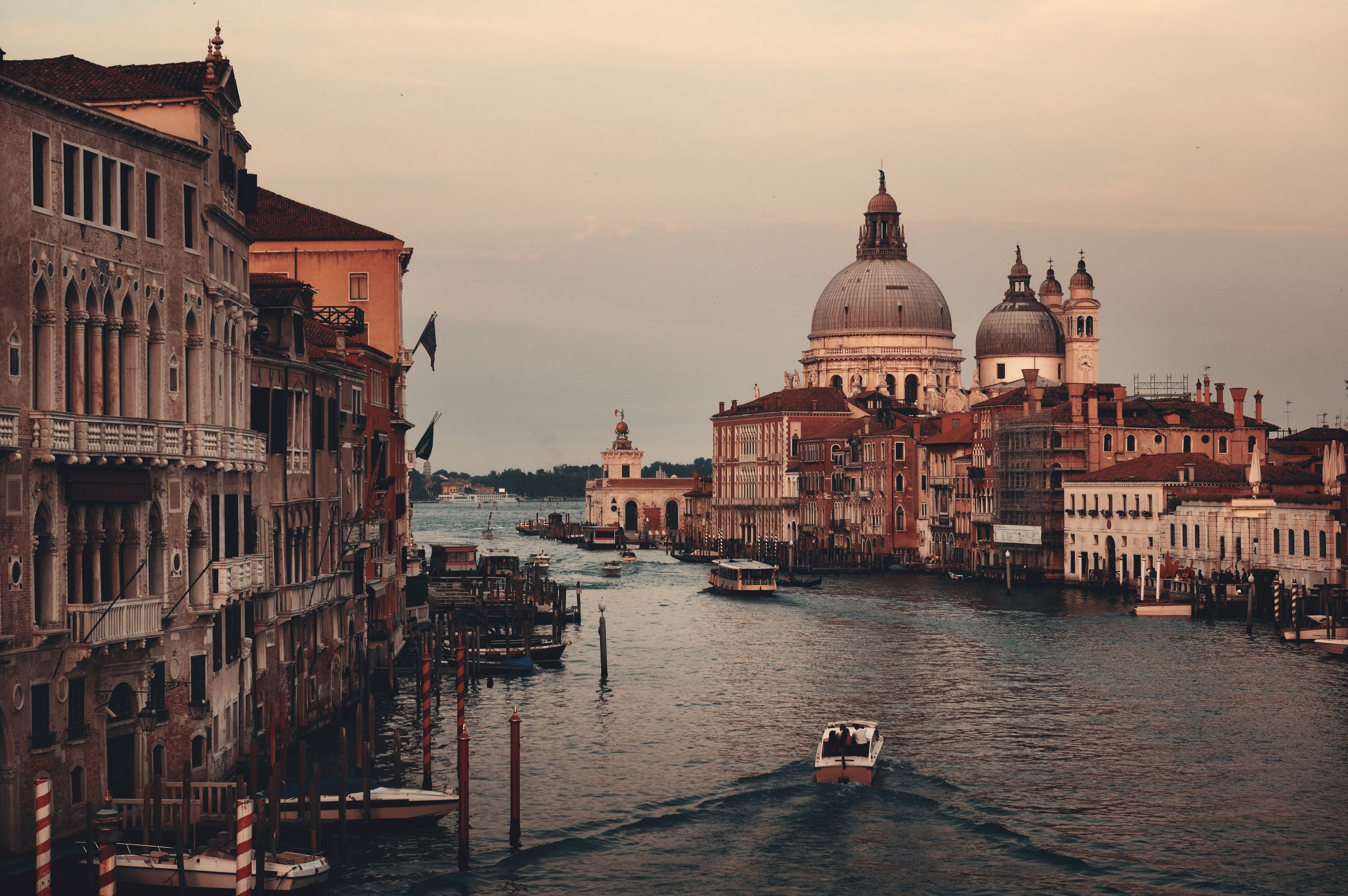
Skip the crowds with our private, customizable tours designed for a seamless, stress-free journey. Whether you’re exploring Pompeii, the Amalfi Coast, Sorrento, Naples itself, or planning to visit other iconic Italian cities like Venice, we craft the perfect itinerary to match your travel style and schedule — request a quote and we’ll take it from there.
FAQs
What are the best things to do in Naples?
Some of the best things to do in Naples include visiting Pompeii, hiking Mount Vesuvius, exploring Spaccanapoli, touring Naples Underground, relaxing at Castel dell’Ovo, and taking a day trip to Capri.
What to do in Naples Italy for first-time visitors?
First-time visitors should explore the Historic Center, visit Naples Cathedral, enjoy authentic pizza, tour Pompeii, and take in the coastal views of the Bay of Naples.
What are the top things to do in Naples Italy in 3 days?
In 3 days, you can discover Naples city attractions, visit Pompeii and Mount Vesuvius, explore museums and castles, and enjoy a day trip to Capri or the Amalfi Coast.
Why is Naples so rundown-looking?
Because it is one of Europe’s oldest continuously inhabited city centres, and it wears every century openly. The weathered facades are centuries-old palazzi still in everyday use, the famous laundry lines hang over lanes laid out by the Greeks, and the density that reads as “rundown” in photos is what a genuinely lived-in historic city looks like. Restoration is uneven — grand churches beside crumbling doorways — and that contrast is Naples’ signature. Most visitors find that within a day the aesthetic stops reading as neglect and starts reading as character; it is, after all, a UNESCO World Heritage city centre going about its ordinary life.
Is it safe to walk in Naples at night?
In the well-trafficked areas, yes — evenings in Chiaia, Vomero and the busy parts of the Historic Center are lively and social, and Neapolitans themselves are out late. Apply ordinary big-city rules: keep to well-lit, populated streets, keep phones and bags zipped in crowds, and skip deserted shortcuts. Late at night, especially around the central station area, take a licensed taxi or a pre-booked driver rather than wandering unfamiliar blocks. Solo travellers report feeling comfortable following exactly those habits — the same ones that apply in any large European city.
Where should tourists avoid in Naples?
Rather than a blacklist, think in terms of where to be: the well-trafficked visitor neighbourhoods — Chiaia, Vomero, the Historic Center and the seafront — cover virtually everything worth seeing. The practical cautions: stay alert in the crowded blocks around the central train station (the main pickpocketing zone), don’t wander dark, empty side streets late at night anywhere, and if a lane feels deserted and unlit, simply turn back to the flow of people. Naples rewards confident, aware wandering by day; after dark, keep to the lively areas and let a taxi or driver cover the gaps.
What is a must-try food in Naples?
Pizza margherita in its birthplace is the non-negotiable — wood-fired, soft-centred, eaten fast. After that, the must-try list runs: sfogliatella (the crisp, shell-shaped ricotta pastry), babà (rum-soaked sponge), fried street food from the friggitorie including pizza fritta, fresh seafood by the bay, and a standing espresso at a busy bar counter, taken the Neapolitan way — short, hot and quick. Every one of these costs little and is done better in Naples than almost anywhere in Italy, which is exactly why the city’s food scene anchors its bucket-list status.
What should I bring home from Naples?
The city’s classic souvenirs are genuinely local. From Via San Gregorio Armeno — the famous nativity-workshop street — handcrafted presepe (nativity) figures, made here for generations. From the food side: limoncello from the nearby Sorrento coast, good Neapolitan coffee beans, and dried pasta from the region. The area’s old luxury craft is cameo and coral jewellery, a tradition of the bay for centuries. Skip the generic magnets; Naples is one of the few cities where the traditional souvenirs are still made by the people selling them.
Is it rude not to finish your plate in Italy?
No — leaving a little food is not offensive in Italy, and no one will scold you. That said, Italian portions are built around the multi-course structure (antipasto, primo, secondo), so the smarter move is ordering less and adding more if you’re still hungry — sharing plates is normal and waiters expect it. What IS worth knowing: asking for sweeping changes to a dish is more sensitive than leaving some of it, and doggy bags, while increasingly accepted, are less routine than in the US. Order modestly, eat happily, and nobody will ever look twice.
What time do Italians eat dinner?
Late by American standards — dinner in Naples typically starts between 8 and 10 pm, and restaurants that open at 7:30 will be empty until locals drift in an hour later. Lunch runs roughly 1 to 3 pm, and the early evening belongs to the aperitivo and the passeggiata, the social stroll. For travellers the practical translation is simple: book dinner for 8 pm or later to eat with the city rather than alone in it, and never expect a full kitchen at 6 pm. The late rhythm is also why Naples’ streets feel so alive at night — the whole city is out.