Blog
 January 18, 2018
4 Places in Italy to See Leonardo da Vinci Artworks
Where Are Leonardo da Vinci's Paintings in Italy? (Quick Overview)
Da Vinci's surviving works are scattered across Italy's most visited cities — and knowing which painting is where saves considerable time when planning. Most of his Italian output is concentrated in four cities: Milan holds his most famous work, Florence his earliest, Rome his most mysterious, and Venice his most scientifically remarkable.
How Many Da Vinci Paintings Are There in Italy?
Leonardo da Vinci completed fewer than 20 confirmed paintings in his entire lifetime. Of those, Italy is home to a significant portion — including The Last Supper in Milan, two major works in Florence, and an important unfinished piece in Rome. Many of his notebooks, sketches, and studies are also preserved in Italian collections.
Which City Has the Most Da Vinci Art?
Milan holds the greatest concentration of Da Vinci's Italian legacy — and a private tour of Milan allows you to move between Santa Maria delle Grazie and the Biblioteca Ambrosiana without the logistics of public transport between sites. Florence comes second, with two major early paintings at the Uffizi and significant archival holdings at the Uffizi's study rooms.
Did Da Vinci Paint the Sistine Chapel? (Common Misconception)
No — the Sistine Chapel was painted by Michelangelo, not Leonardo da Vinci. The two were contemporaries and rivals, but the Sistine ceiling belongs entirely to Michelangelo. Da Vinci's presence in Rome is represented instead by St. Jerome in the Wilderness at the Vatican Museums — a powerful, unfinished work that rewards close attention.
1. Santa Maria delle Grazie, Milan — The Last Supper
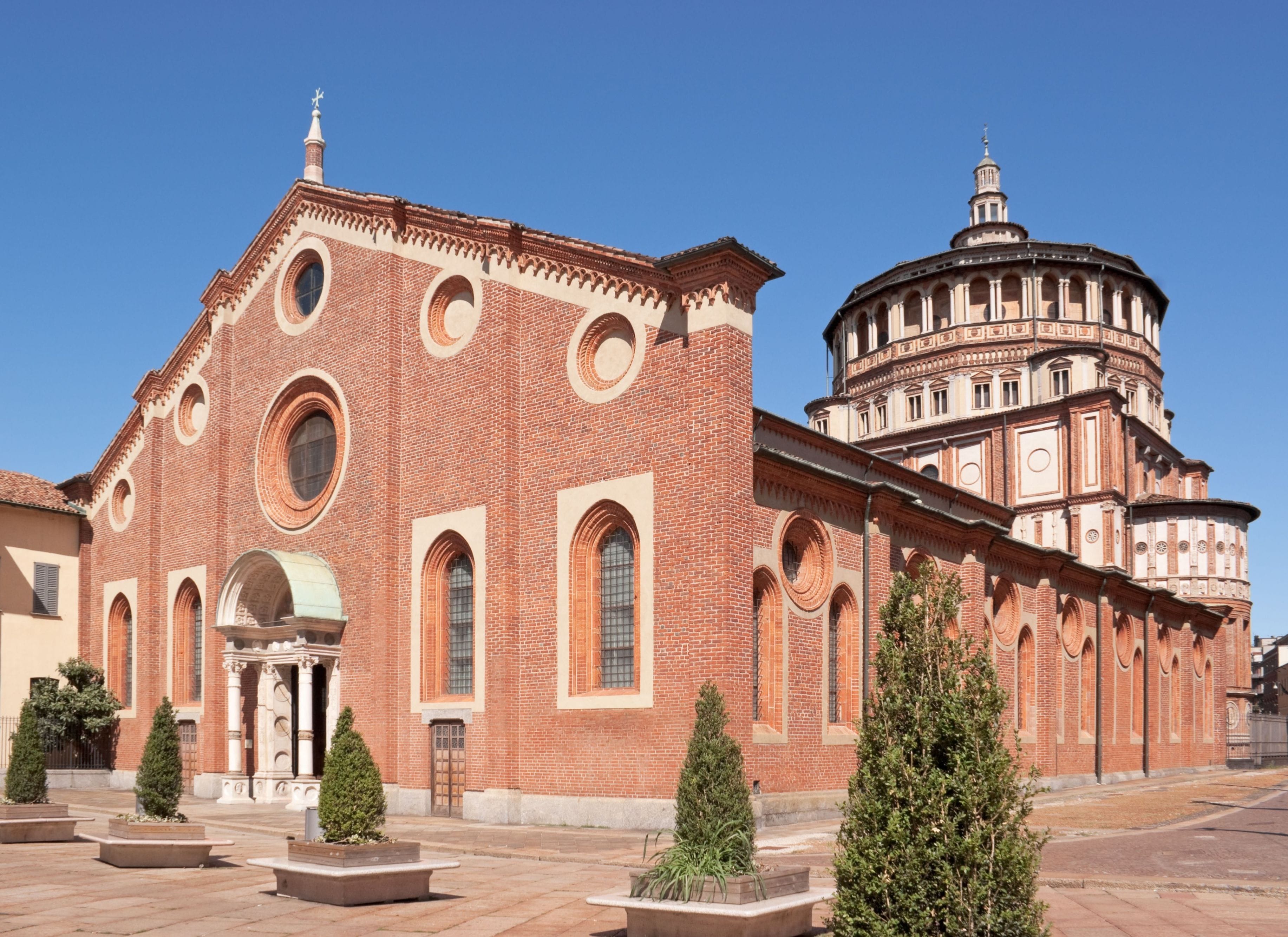 The ‘Holy Mary of Grace’ church is a church in the city of Milan, and this is the place where you would see one of the most popular Leonardo da Vinci’s paintings-‘TheLastSupper’.
The da Vinci Museum in Milan houses the world-famous The Last Supper. Painted directly on the wall using fresco-secco, this masterpiece is over 500 years old. Only 25 visitors are allowed at a time, so booking ahead is essential.
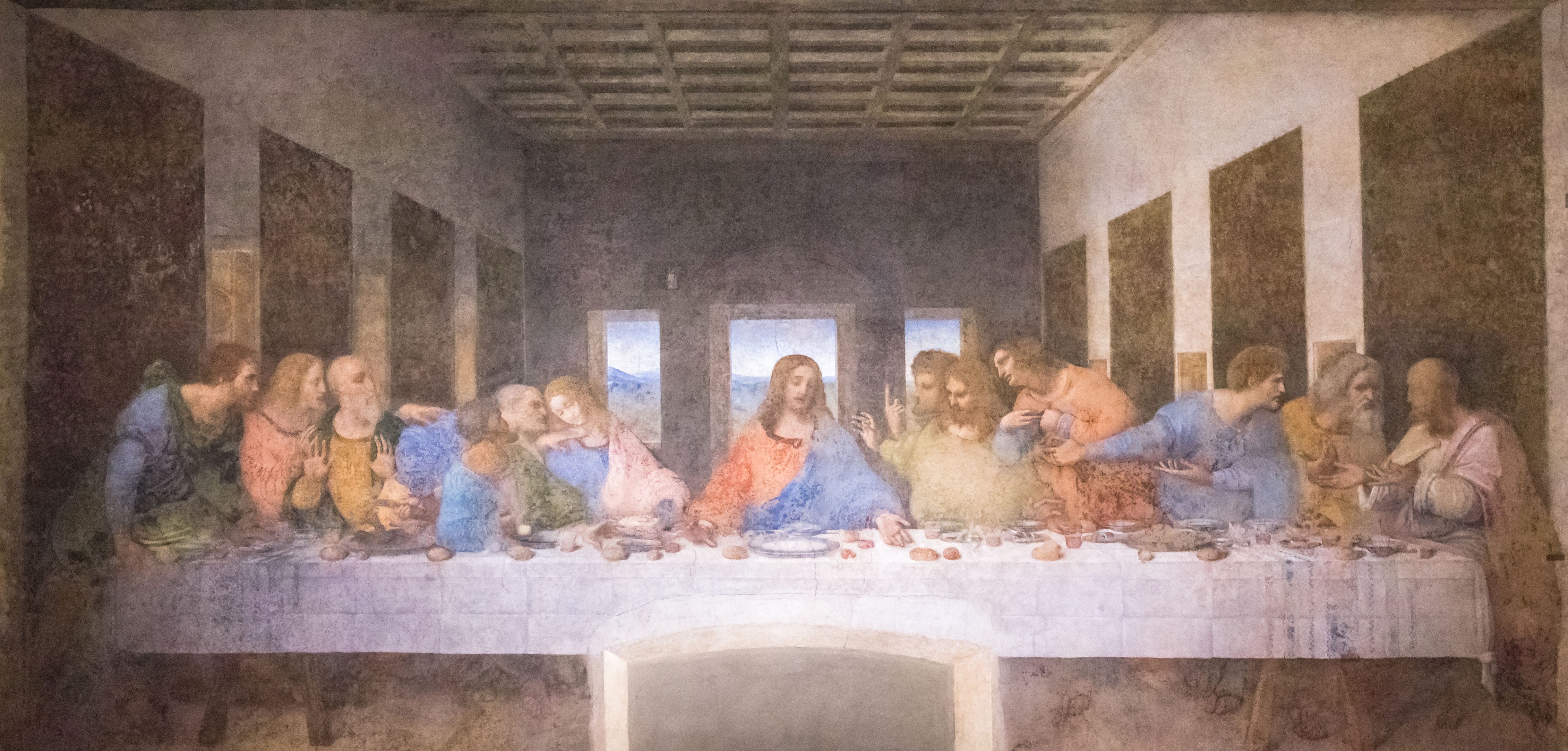
The single most important destination for any Da Vinci itinerary in Italy. The refectory of Santa Maria delle Grazie contains The Last Supper - painted directly onto the dining room wall between 1495 and 1498, surviving centuries of damage, flooding, and wartime bombing to remain one of the most emotionally powerful images in Western art.
What to See
The Last Supper (Il Cenacolo) depicts the moment Christ announces that one of his disciples will betray him - capturing twelve individual reactions in a single frozen instant. It was painted using experimental fresco-secco technique rather than standard fresco, which is why it began deteriorating within Da Vinci's own lifetime. Viewing it in person, at the scale it was intended, is a genuinely different experience from any reproduction.
Visitor Information - Booking, Hours & Tips
Only 25 visitors are admitted at a time, in strictly timed 15-minute slots. Advance booking is essential - tickets frequently sell out weeks ahead, particularly in summer. The refectory is open Tuesday to Sunday. Photography is permitted without flash. Arrive a few minutes early; late arrivals are not admitted. Book through the official Cenacolo Vinciano website.
Milan is also reachable as a shore excursion - visitors docking at Genoa can reach the city in under two hours by private car via shore excursions from Genoa that include a Last Supper visit.
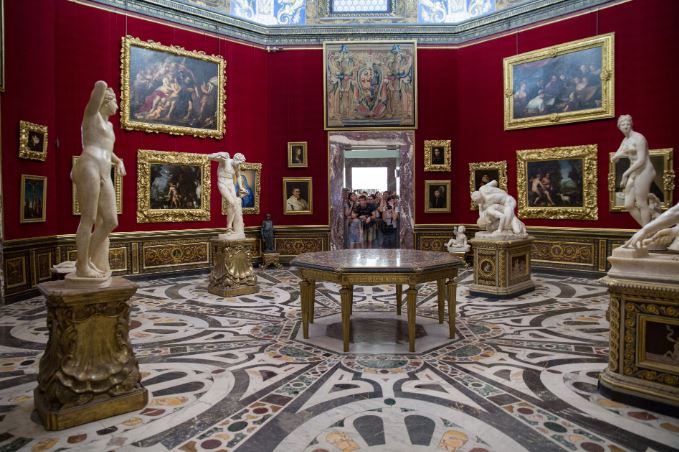
2. Uffizi Gallery, Florence — Annunciation & Adoration of the Magi
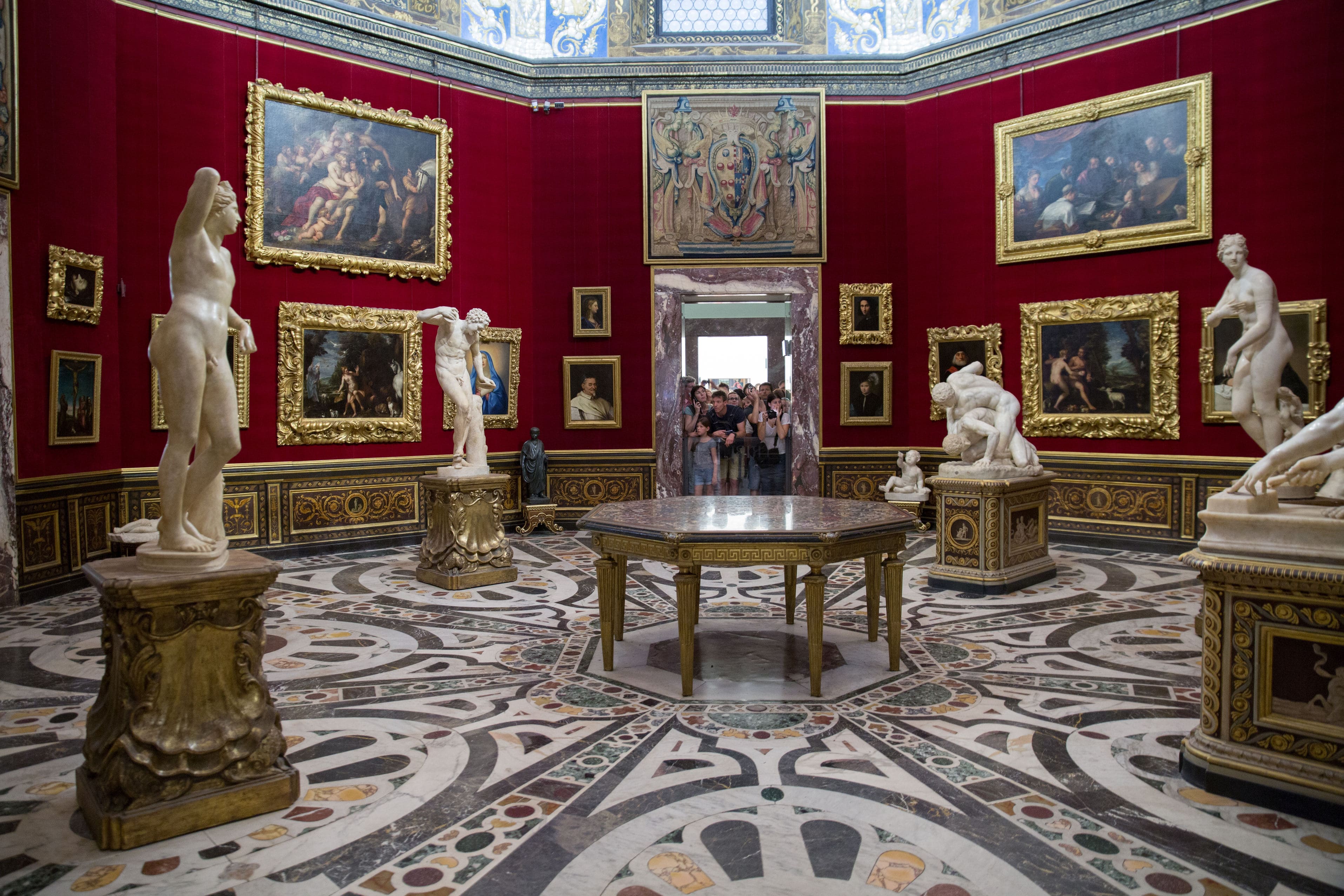 The Uffizi Gallery features da Vinci’s Annunciation and Adoration of the Magi, located in the city of Florence. These works demonstrate his versatility, combining oil on canvas and oil on wood. This is a must-see location for anyone exploring Leonardo da Vinci painting locations in Italy.
Florence was where Da Vinci spent his formative years as an apprentice in Verrocchio's workshop, and the Uffizi holds two of his most important early works. Together they show a young artist already pushing beyond the conventions of his time - in composition, in light, and in the ambition of what a painting could attempt to communicate.
What to See
The Annunciation (c. 1472–1475) is an early masterpiece showing the Angel Gabriel delivering news to the Virgin Mary - notable for its extraordinary landscape detail and the softness of its light. Adoration of the Magi (1481) was left unfinished when Da Vinci departed for Milan; the underdrawing visible beneath the surface makes it one of the most fascinating works in the gallery.
Visitor Information — Booking, Hours & Tips
The Uffizi is open Tuesday to Sunday. Online advance booking is strongly recommended - walk-up queues can exceed two hours in peak season. Da Vinci's works are displayed in the early Renaissance rooms on the second floor. Allow at least three hours for the full gallery; a guided tour of Florence significantly improves the experience of the Da Vinci rooms - a knowledgeable guide can explain the underdrawing in the Adoration of the Magi in a way that transforms what you see.
3. Vatican Museums, Rome — St. Jerome in the Wilderness
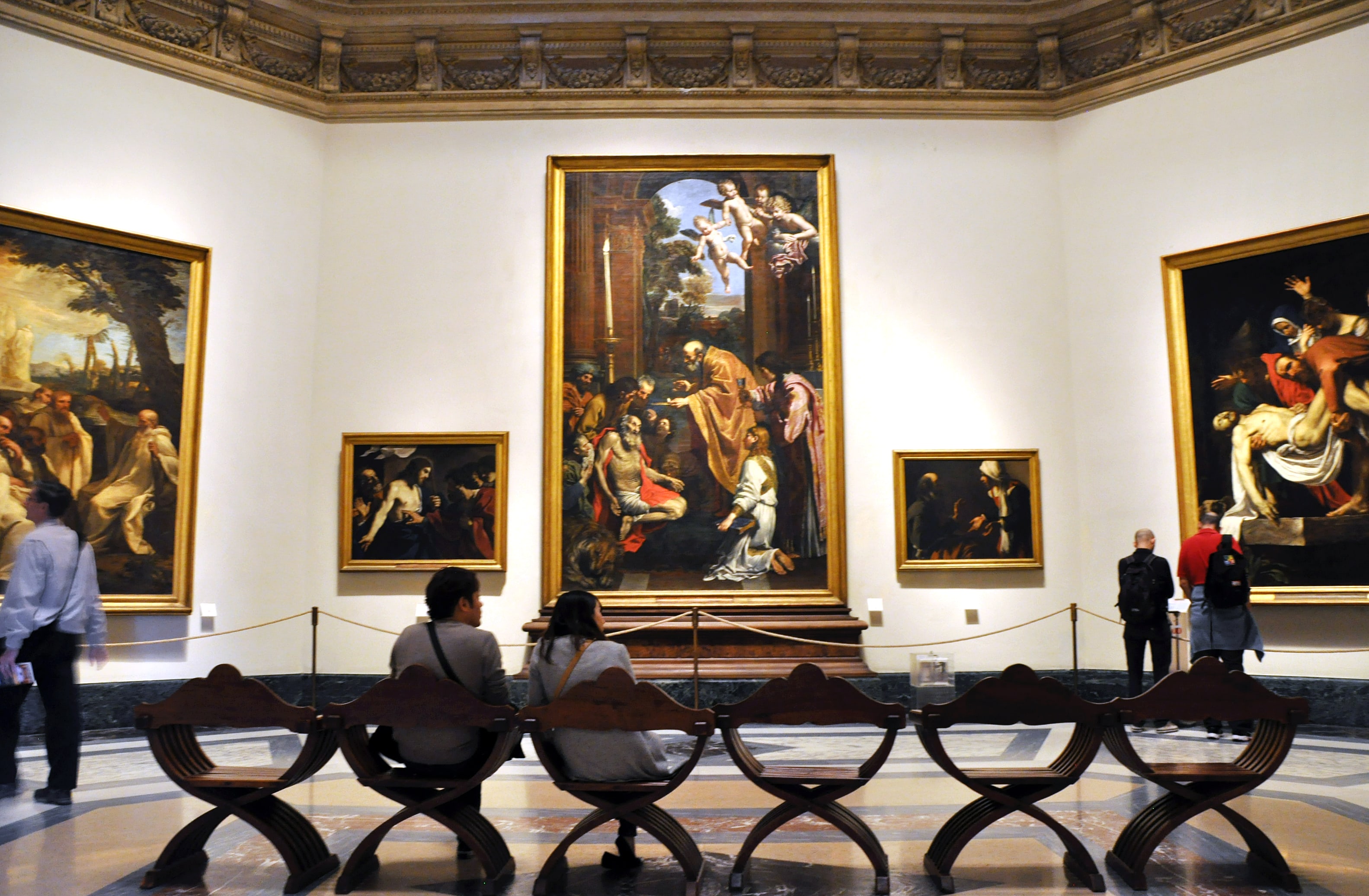 Rome is not where Da Vinci spent most of his career - but the Vatican holds one of his most haunting works. St. Jerome in the Wilderness is an unfinished oil painting on walnut panel, never completed and separated into pieces after Da Vinci's death before being reassembled centuries later. Its emotional rawness is unlike anything else he produced.
What to See
St. Jerome shows the penitent saint in a moment of raw spiritual anguish — gaunt, kneeling, with a lion at his feet. The unfinished state, far from diminishing it, reveals Da Vinci's layered working process with unusual intimacy. The anatomical accuracy of Jerome's neck and shoulder muscles reflects Da Vinci's parallel studies of human anatomy. It is displayed in the Pinacoteca section of the Vatican Museums.
Is Da Vinci's Work Easy to Find in the Vatican?
The Vatican Museums are vast — over 7 kilometres of galleries. St. Jerome is located in Room IX of the Pinacoteca (Picture Gallery), which is a separate building within the complex. Most visitors miss it entirely by following the main route toward the Sistine Chapel. Ask staff or a guide specifically for the Pinacoteca entrance to avoid losing it in the crowds.
Visitor Information — Booking, Hours & Tips
The Vatican Museums are open Monday to Saturday and select Sundays. Advance booking is essential - same-day entry queues can exceed three hours. Private tours of Rome that include both the Pinacoteca and the Sistine Chapel allow you to see Da Vinci's work in proper context - without the navigational chaos of self-guided Vatican visits.
Cruise passengers arriving at Rome's port can reach the Vatican as part of a full-day shore excursion from Civitavecchia - giving enough time to see both the Pinacoteca and the main Vatican highlights.
4. Gallerie dell'Accademia, Venice — The Vitruvian Man
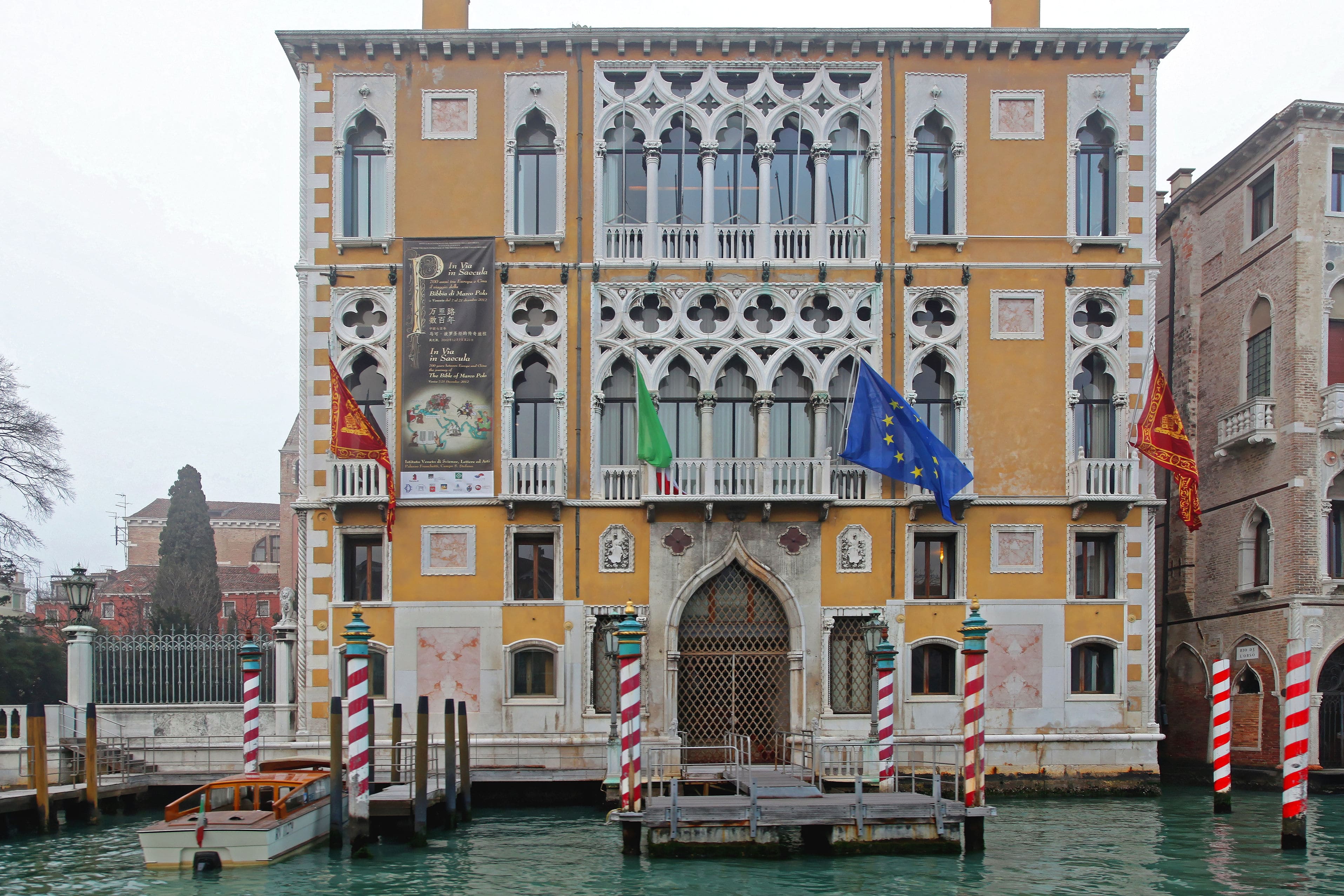
The Vitruvian Man and other pre-19th-century masterpieces are displayed in Venice. This gallery highlights Leonardo’s fascination with human anatomy, geometry, and artistic perfection. Perfect for travelers seeking a unique perspective on Leonardo da Vinci painting locations.
Venice holds one of Da Vinci's most recognised images - though The Vitruvian Man is not, strictly speaking, a painting. It is a pen-and-ink drawing on paper, approximately A3 in size, showing a male figure inscribed simultaneously within a circle and a square. It is a study in human proportion, geometry, and the relationship between the body and the ideal forms of classical architecture.
What to See
The Vitruvian Man (c. 1490) is displayed in the Gallerie dell'Accademia alongside a collection of pre-19th-century Venetian and Italian masterpieces. Note that due to its fragility, the drawing is not always on permanent display - it is exhibited only periodically, and visitors should check the museum's current schedule before travelling specifically to see it. The Accademia's broader collection rewards a full morning regardless.
Visitor Information - Booking, Hours & Tips
The Gallerie dell'Accademia is open Tuesday to Sunday. Advance booking is recommended, particularly in summer. The museum is located in the Dorsoduro district, a short walk from the Accademia vaporetto stop - and easily included in shore excursions from Venice for cruise passengers docking at the city's terminal. Combined tickets with other Venice museums are available and offer good value for art-focused visitors planning multiple stops.
5. Vinci, Tuscany - Where Leonardo Was Born
The town of Vinci, in the hills between Florence and Pistoia, is where Leonardo da Vinci was born in 1452 — and it preserves his memory more personally than any other location in Italy. The Museo Nazionale del Rinascimento (formerly the Museo Leonardiano) houses a remarkable collection of models built from Da Vinci's original notebook drawings: flying machines, hydraulic devices, and architectural studies brought into three dimensions.
What to See and Is It Worth Visiting?
Vinci is not a major artwork destination — Da Vinci's paintings are in Milan, Florence, and Rome. But for anyone genuinely interested in him as a thinker, engineer, and scientist rather than only as a painter, the museum's reconstructed models and the visit to his actual birthplace (Casa Natale) in the nearby hamlet of Anchiano offer something no gallery can: a sense of the man before the myth. It is an easy half-day trip from Florence - and also reachable for cruise passengers via shore excursions from Livorno who want to combine a Tuscany countryside stop with a Da Vinci itinerary.
6. Biblioteca Ambrosiana, Milan — Portrait of a Musician
Often overlooked in favour of The Last Supper, the Pinacoteca Ambrosiana holds another significant Da Vinci work: Portrait of a Musician (c. 1486–1487), one of only three portraits he is known to have painted of male subjects. The Biblioteca Ambrosiana also holds the Codex Atlanticus — the largest collection of Da Vinci's original manuscript pages in the world.
What to See and Visitor Information
Portrait of a Musician is a small, intensely observed painting — the identity of the subject has never been confirmed. The Codex Atlanticus, comprising over 1,100 pages of Da Vinci's notes and drawings, is displayed in rotating selection due to conservation requirements. The Pinacoteca Ambrosiana is open Tuesday to Sunday and is generally far less crowded than the Santa Maria delle Grazie — making it an excellent second stop on a Milan Da Vinci day.
How to Plan a Leonardo da Vinci Art Tour in Italy
Seeing Da Vinci's Italian works properly requires visiting at least three cities - Milan, Florence, and Rome - with Venice as an optional fourth stop. The geographic spread means planning matters: the right order, the right amount of time, and the right booking strategy make the difference - and a tour en route across Italy lets you connect Milan, Florence, and Rome in a single private journey with stops built around your art itinerary.
Best Order to Visit — Milan, Florence, Rome, Venice
Start in Milan — it has the most time-sensitive booking (The Last Supper) and the greatest concentration of Da Vinci material. Move to Florence next for the Uffizi and the Vinci day trip. Continue to Rome for the Vatican. Add Venice if your itinerary allows. This north-to-south routing aligns with how most Italy itineraries flow and avoids backtracking.
How Many Days Do You Need?
Allow at minimum: one full day in Milan (Santa Maria delle Grazie + Biblioteca Ambrosiana), one full day at the Uffizi in Florence (plus a half-day for Vinci), and half a day at the Vatican in Rome. Venice can be covered in a half-day alongside other Accademia highlights. A focused Da Vinci circuit across Italy requires a minimum of four to five days across three cities.
Private Tours vs. Self-Guided Visits
Self-guided visits work well for the Uffizi and Accademia if you book ahead. The Vatican is sufficiently complex that a guided tour pays for itself in time saved and context gained. The Last Supper in Milan is an experience improved significantly by prior knowledge of the painting's history and Da Vinci's technique - a private guide transforms a 15-minute slot into something genuinely memorable. Getting between cities is also easier than it sounds - a private chauffeur transfer between Italian cities removes the friction of train connections and luggage logistics entirely, letting you arrive at each museum ready to focus on what you came to see.
Why Visiting Leonardo da Vinci’s Art in Italy Matters
From Milan to Venice, these locations provide a window into the mind of a Renaissance genius. Visiting da Vinci paintings in Rome and beyond allows you to appreciate his mastery of art, science, and human anatomy all in one trip.
Plan Your Leonardo da Vinci Art Tour with Benvenuto Limos
Italy holds more of Leonardo da Vinci's surviving work than any other country — and seeing it properly means moving between cities, planning ahead, and knowing what to look for when you arrive. For travellers who want to do that without the logistics getting in the way, Benvenuto Limos offers private chauffeur-driven tours connecting Milan, Florence, Rome, and Venice — so every kilometre between masterpieces becomes part of the experience.
Frequently Asked Questions
1. Can you see Leonardo da Vinci art in Rome?
Yes, you can see Leonardo da Vinci art in Rome, mainly at the Vatican Museums. While Rome doesn’t house as many works as Florence or Milan, the Vatican is home to important unfinished pieces that offer insight into Leonardo da Vinci artworks and his creative process.
2. What Leonardo da Vinci paintings are in the Vatican?
The Leonardo da Vinci Vatican collection includes St. Jerome in the Wilderness, an unfinished masterpiece. This painting highlights da Vinci’s anatomical precision and emotional depth, making it one of the most fascinating Leonardo da Vinci paintings in Italy.
3. Is Leonardo da Vinci associated with Rome?
While Florence and Milan played bigger roles in his career, Leonardo da Vinci in Rome spent time working under papal patronage. Exploring Rome Leonardo da Vinci sites helps visitors understand a lesser-known but important phase of his artistic journey.
4. Where can I see the most famous Leonardo da Vinci pain
tings in Italy?
Some of the most celebrated Leonardo da Vinci paintings are spread across Italy, including The Last Supper in Milan and key works in Florence and the Vatican. Together, these cities offer the best overview of Leonardo da Vinci artwork in its historical context.
5. What does “Leonardo da Vinci Venedig” refer to?
“Leonardo da Vinci Venedig” is the German term referring to Leonardo da Vinci’s works displayed in Venice. At the Gallerie dell’Accademia, visitors can explore drawings and studies that showcase his scientific approach to da Vinci artwork and human anatomy.
6. Why is Italy the best place to explore Leonardo da Vinci art?
Italy preserves the strongest connection to Leonardo da Vinci art, with original paintings, sketches, and studies displayed in historic cities. Seeing Leonardo da Vinci paintings in Italy allows travelers to experience his genius in the cultural settings where his ideas were born.