Blog
 January 17, 2020
6 Foods Commonly Served for Breakfast in Italy
What Is Breakfast Called in Italian? (Colazione Explained)
In Italy, breakfast is called colazione — and understanding what that word implies tells you almost everything about how Italians approach their mornings. It is the lightest, quickest, and sweetest meal of the day: a small ritual rather than a sit-down occasion, built around coffee and something sweet rather than a full spread.
What Time Do Italians Eat Breakfast?
Most Italians eat breakfast between 7 and 9 AM on weekdays — quickly, and often standing up. On weekends, colazione shifts later, sometimes stretching to 10 or 11 AM, and becomes slightly more relaxed. Regardless of timing, it rarely lasts more than 10 to 15 minutes. The long, leisurely breakfast is not an Italian tradition.
Do Italians Eat Breakfast at Home or at a Bar?
Both are common, and the choice often depends on the day. On weekday mornings, many Italians grab a quick espresso and cornetto at their local bar (caffetteria) on the way to work. At home, breakfast is simpler — cookies dunked in milk or coffee, or a slice of cake left over from the night before.
Why Is the Italian Breakfast So Light?
Because lunch (pranzo) is the meal that matters most in Italian culture. The midday meal is where flavour, time, and effort are invested — breakfast exists purely to start the engine. This is consistent with the broader Mediterranean approach to eating, where the first meal of the day is intentionally modest, leaving room for what comes later.
What Do Italians Eat for Breakfast? — The Complete List
Italy's breakfast table is sweet, simple, and far more varied than most visitors expect. From pastry-counter staples to regional specialities you'll only find in certain cities, here is every item worth knowing — with its Italian name, what it tastes like, and where to find it.
Cornetto - Italy's answer to the croissant, softer and sweeter than the French version. Filled with crema (custard), marmellata (jam), cioccolato (chocolate), or left plain (vuoto). Found at every Italian bar, every morning, without exception.
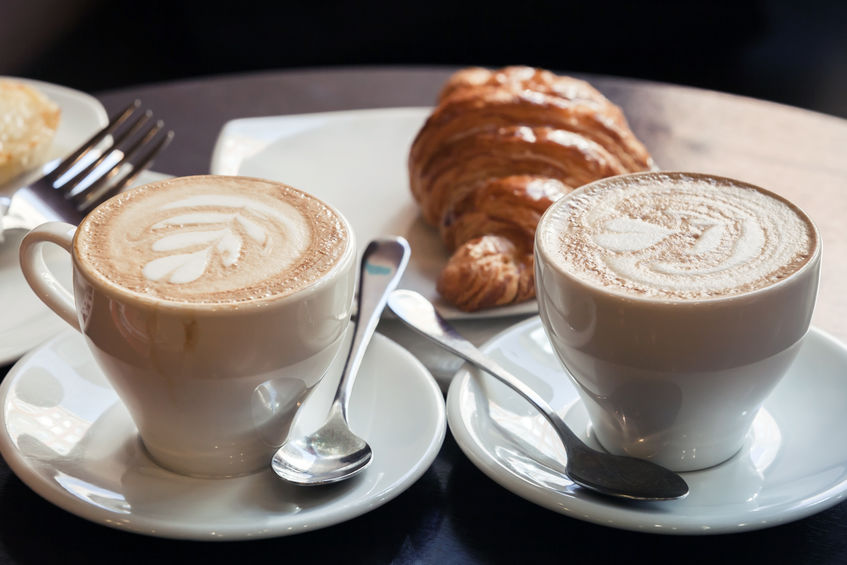
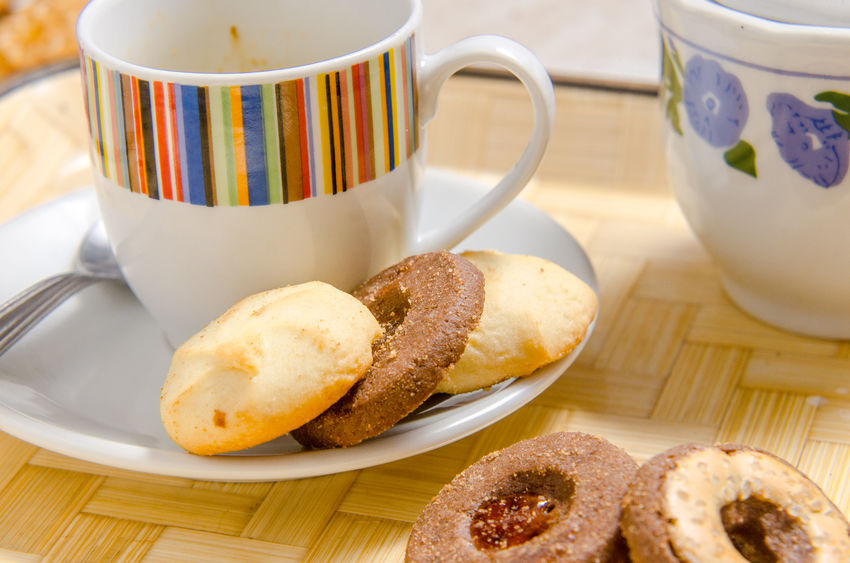
Cookies and Moka Caffè - The quintessential Italian home breakfast: simple biscuits (biscotti) dunked into a strong Moka-brewed coffee. Unpretentious, fast, and deeply comforting — the breakfast most Italians grew up eating.
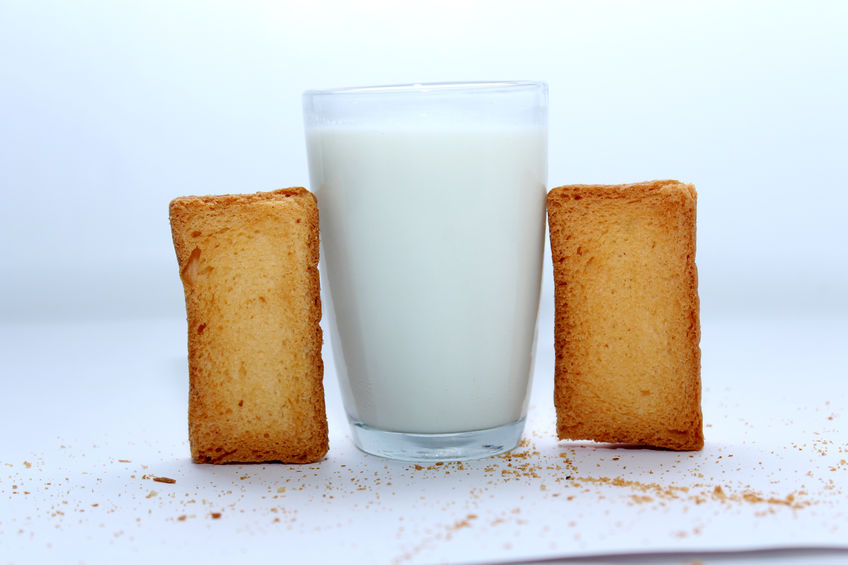
Fette Biscottate - Dry, twice-baked rusks eaten with butter and jam or honey. A home breakfast staple - light, crunchy, and genuinely beloved by Italians of all ages. Rarely found at bars; this one belongs to the kitchen table.
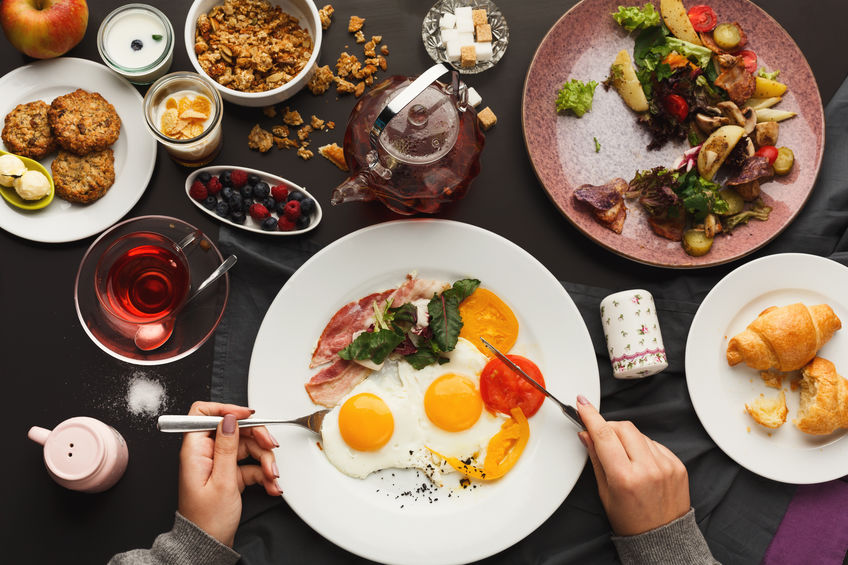
Fluffy Scrambled eggs, Crisp Bacon, and Smoked Salmon - If you are staying at a five-star hotel in Italy, you will enjoy properly cooked eggs and bacon other than croissants which are expensive food items tabled. If you are on vacation, you will surely love the crispy bacon, and the good thing is that these are served in good quantity. Apart from this, there is a variation to the croissants you find at bars; these are flaky French croissants that you may try.
Crostata - A rustic jam tart with a dense, buttery shortcrust pastry. Fillings include sour cherry (amarena), apricot (albicocca), and wild berry (frutti di bosco). Homemade or bakery-bought; always sold whole, never by the slice.

Krapfen (Doughnuts) - Fried, sugar-rolled, and filled with jam or custard. Regional variations include fritole (studded with raisins) and zeppole. Indulgent, seasonal, and rarely an everyday breakfast — but hard to resist when they appear.
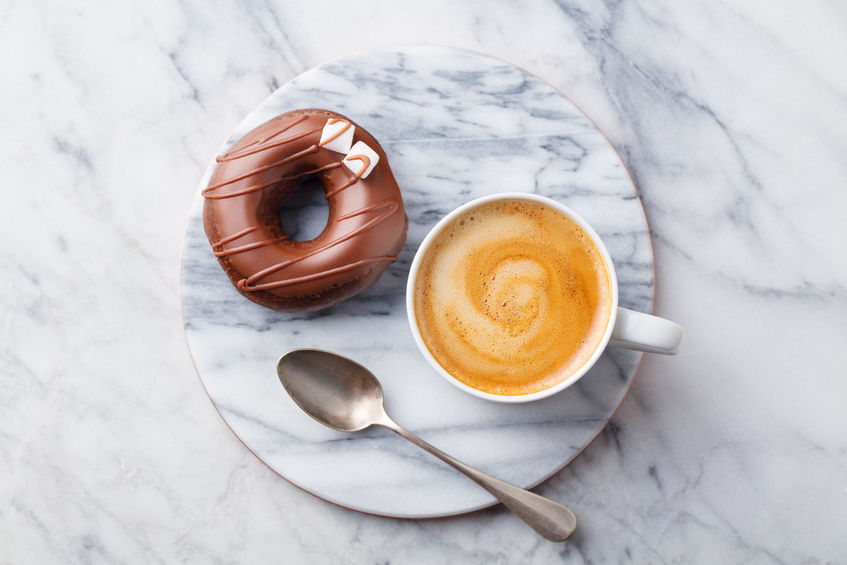
Viennoiserie - Sweet baked goods with Austro-Hungarian roots: cream-filled brioches, apple strudel (strudel di mele), and enriched pastries found at hotels and restaurants across northern Italy particularly. It evolved after the colonization of the Austro-Hungarian Empire in the 19th century. It includes cream-filled brioches and strudel di mele, which is an Italian adaptation of the original viennoiserie.
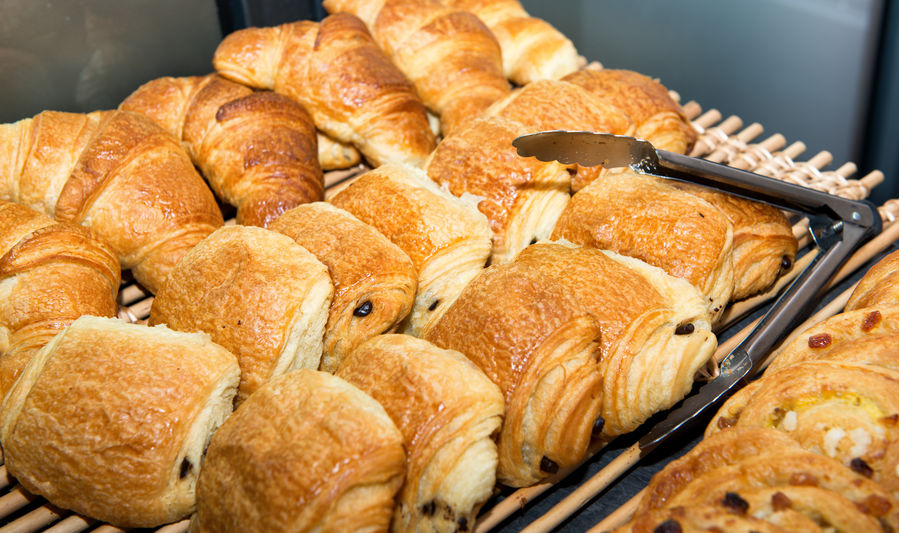
Maritozzo - Rome's signature breakfast: a soft, pillowy bun split open and generously filled with whipped cream. Once a Roman street food, now a social media phenomenon — and genuinely delicious. Find it at any good Roman pasticceria.
Brioche col Tuppo - Sicily's answer to the cornetto: a round, dome-topped brioche served warm, traditionally alongside granita. The tuppo (the little dome) is pulled off first and used to scoop the granita. One of Italy's most distinctive and joyful breakfast experiences.
Tramezzino - A soft, crustless triangular sandwich on white bread, filled with tuna, olive, prosciutto, or egg. More of a mid-morning snack than an early breakfast, but widely eaten at Italian bars from around 10 AM onwards.
Ciambella - A simple ring-shaped breakfast cake, lightly sweetened and often flavoured with lemon zest or vanilla. Baked at home on Sundays, sliced and eaten with coffee. The Italian equivalent of a Victoria sponge — humble, honest, and genuinely good.
Pan Brioche / Pane e Marmellata - Soft brioche bread or a plain roll spread with butter and jam. The most basic Italian home breakfast and the one most commonly eaten by children before school. Rarely photographed, universally eaten.
Yogurt con Granola - Italy's concession to the health-conscious morning. Plain or fruit yogurt layered with granola or muesli. Found at hotel breakfasts and increasingly at modern Italian bars catering to a younger, more nutrition-aware clientele.
What Do Italians Drink for Breakfast?
Coffee is not just part of the Italian breakfast - in most cases, it is the Italian breakfast. The food comes second. Understanding the coffee that anchors colazione - and the rules Italians apply to it - tells you as much about Italian culture as any meal ever could.
Espresso -The Non-Negotiable
A single shot of espresso, drunk quickly, often standing at the bar. No milk, no flavouring, no size options. This is the baseline Italian breakfast drink — fast, strong, and finished in two sips. Many Italians drink two or three throughout the morning. Outside of breakfast, it remains the default coffee order at any time of day.
Cappuccino - Italy's Breakfast Cappuccino Rule
Cappuccino is espresso topped with steamed, foamy milk - and in Italy, it is a strictly morning drink. Ordering one after 11 AM or after a meal will not get you refused, but it will earn a quiet look of confusion from most Italian baristas. The belief is that milk interferes with digestion after food. Morning only, always.
Orzo - The Caffeine-Free Alternative
Orzo is a caffeine-free hot drink made from roasted barley, brewed in the same Moka pot as espresso. It tastes earthy and slightly nutty — nothing like coffee, but genuinely warming. Widely drunk by children, pregnant women, and anyone avoiding caffeine. Available at virtually every Italian bar alongside the standard coffee menu.
Caffè Latte vs. Latte Macchiato - What's the Difference?
Both are milk-forward breakfast drinks, but they are not the same. Caffè latte is strong coffee poured into warm milk - a higher coffee-to-milk ratio, usually served in a glass at home. Latte macchiato is steamed milk with just a shot of espresso added — milder, creamier, and more common at bars. Neither is quite what a "latte" means outside Italy.
Does Italy Have a Full Breakfast? (Hotel vs. Bar)
The Italian breakfast has a reputation for being minimal — and at home or at a neighbourhood bar, that reputation is earned. But the full picture is more varied. Where you eat breakfast in Italy changes the experience considerably, and knowing the difference helps you plan your mornings more enjoyably.
What Is an Italian Hotel Breakfast Like?
Hotel breakfast in Italy (prima colazione) is usually the most generous version you'll encounter. Expect a buffet spread: pastries, bread, cold cuts, cheese, yogurt, fruit, cereals, eggs, and both espresso and filtered coffee. Four- and five-star hotels often add regional specialities. It is designed for international guests and reflects what tourists expect — not what most Italians eat at home.
What Is a Typical Bar Breakfast in Italy?
At a local Italian bar, breakfast is fast and focused: one coffee and one pastry, consumed standing at the counter, finished in under five minutes. The menu is short — espresso, cappuccino, cornetto, and perhaps a brioche or toast. No eggs, no fruit plates, no buffet. This is the breakfast that actually represents how Italy eats every morning.
Do Italians Eat a Big Breakfast on Weekends?
Slightly bigger — but not dramatically so. Weekend colazione tends to be more leisurely: a longer sit-down at the bar, perhaps a second cornetto, or a home-baked ciambella with the family. Brunch as a concept is gaining ground in larger Italian cities, particularly among younger generations, but a full Anglo-American breakfast spread remains the exception rather than the rule.
Do Italians Eat Eggs for Breakfast?
This is one of the most common questions visitors ask before arriving in Italy — and the short answer is: not typically. Eggs are not a traditional feature of the Italian breakfast table, and understanding why reveals something important about how Italians think about food and meal structure.
Why Eggs Are Not Traditional at Italian Breakfast
Italian breakfast is built on the principle of dolce — sweet. Eggs belong to lunch or dinner in Italian culinary logic, not to the first meal of the day. The cultural association of eggs with breakfast is largely Anglo-American, and most Italians simply do not think of them as a morning food. Tradition, not preference, drives the habit.
Where You Will Find Eggs at Breakfast in Italy
Hotel buffets are your most reliable source — particularly international and four-star hotels catering to guests from the UK, US, and northern Europe. Some modern urban cafés and brunch spots in Milan, Rome, and Florence now offer egg dishes. But at a traditional Italian neighbourhood bar, eggs will not appear on the menu.
What Do Italians Eat Instead of Eggs?
The Italian substitute for the protein-and-sustenance role eggs play elsewhere is simply: coffee and something sweet, followed by a proper lunch a few hours later. For Italians, the two-meal solution — a light breakfast, a substantial lunch — is more logical than front-loading the day with a heavy first meal. It is a different philosophy, not a nutritional gap.
Italian Breakfast by Region — How It Changes Across Italy
Italy is not a single breakfast culture. The country's deep regional identities — shaped by history, climate, and local agriculture — produce distinctly different morning tables depending on where you are. Here is what to expect as you travel.
Breakfast in Rome — Maritozzo and Espresso
Romans start the day with a quick espresso at the bar counter and, if they're treating themselves, a maritozzo — a pillowy cream-filled bun that is Rome's greatest contribution to Italian breakfast culture. Simple, sweet, and enormously satisfying, the maritozzo has become one of Italy's most talked-about breakfast items in recent years.
Breakfast in Sicily — Brioche col Tuppo and Granita
Sicily's breakfast is unlike anywhere else in Italy. A warm brioche col tuppo alongside a glass of granita — semi-frozen almond, lemon, or coffee ice — is the Sicilian morning ritual. It sounds unusual; it tastes extraordinary. In summer, this combination is breakfast for almost every Sicilian from Palermo to Catania.
Breakfast in Tuscany — Biscotti and Chianti (The Unusual Tradition)
Tuscany's breakfast is mostly conventional — espresso, toast, cornetto. But in rural areas of Tuscany and Umbria, an older tradition persists: cantucci (hard almond biscuits) dunked into a small glass of red wine, often the local Chianti, first thing in the morning. Unusual by any standard, but entirely authentic — and surprisingly enjoyable.
Breakfast in Naples — Sfogliatella and Caffè
Naples is arguably Italy's most passionate breakfast city. The sfogliatella — a shell-shaped pastry with a sharp, flaky crust and a sweet ricotta filling — is the Neapolitan morning staple. Paired with a Neapolitan espresso (stronger, slightly sweeter than the national standard), it is one of the finest breakfast combinations in all of Italy.
Breakfast in the North — How Milan Starts Its Day
Milan's breakfast culture sits somewhere between Italian tradition and continental Europe. The cornetto and cappuccino remain central, but Milan is also where you'll find the most international hotel breakfasts, the most developed brunch culture, and the greatest openness to eggs, smoked salmon, and savoury options. The city's pace also means bar breakfasts are faster here than almost anywhere else in Italy.
Italian Breakfast Traditions Worth Knowing Before You Visit
The Italian breakfast is full of unwritten rules — cultural habits so embedded that Italians follow them without thinking. For visitors, knowing these traditions in advance transforms a simple morning coffee stop from a transaction into a genuine cultural encounter.
Why Italians Stand at the Bar for Breakfast
Standing at the counter (al banco) is not just a quirk — it is cheaper. In most Italian bars, you pay less for a coffee consumed standing at the bar than for the same coffee served at a table. This two-tier pricing is legal, standard, and widely accepted. Standing also reflects the Italian approach to breakfast: fast, purposeful, and already thinking about the day ahead.
The Cappuccino Rule — Why Italians Never Drink It After 11 AM
Italians believe that milk is difficult to digest after a meal, making a milk-based coffee drink inappropriate at any point after eating. Cappuccino belongs exclusively to the morning — before food or with a light pastry. This is not snobbery; it is a deeply held dietary belief that has shaped Italian coffee culture for generations. Espresso, by contrast, is welcome at any hour.
What Does a Healthy Italian Breakfast Look Like?
By global nutritional standards, the traditional Italian breakfast is already relatively light: a small espresso and a cornetto provide roughly 200–300 calories. For Italians prioritising health, the home breakfast shifts toward fette biscottate with a thin spread of jam, plain yogurt with granola, or fresh fruit alongside a caffè. The Mediterranean instinct is always toward moderation at the first meal of the day.
For Italians, food is a serious affair, and they want to feed people to make them happy. This makes it one of the many obvious reasons to visit Italy. To get the most out of your trip, be ready to embark on a culinary adventure with Benvenuto. We will help you during your food tour and discover the scenic beauty that graces Italy. Discover Italy's culinary culture with a private chauffeur.
Frequently Asked Questions
1. What do Italians usually eat for breakfast?
Italians typically eat a light and sweet breakfast, often consisting of coffee (espresso, cappuccino, or caffè latte) paired with a pastry like a cornetto, biscotti, or toast with jam. Heavy or savory breakfasts are uncommon in daily Italian routines.
2. Is breakfast in Italy sweet or savory?
Breakfast in Italy is mainly sweet. Savory items such as eggs or bacon are usually served only in hotels or for tourists, while locals prefer pastries, biscuits, and coffee.
3. Do Italians eat breakfast at home or in cafés?
Both are common. Many Italians enjoy a quick breakfast at home with cookies and coffee, while others stop by a local bar (café) for a cappuccino and cornetto, especially on workdays.
4. What is a traditional Italian breakfast drink?
The most popular breakfast drink in Italy is espresso or cappuccino. Orzo, a caffeine-free barley drink, is also common, especially for those avoiding coffee.
5. Do Italians eat eggs for breakfast?
Eggs are not a traditional Italian breakfast food. They are more commonly found in hotel breakfasts or international-style menus rather than in everyday Italian households.
6. Does breakfast in Italy vary by region?
Yes, Italian breakfast can vary by region and season. For example, some central regions like Tuscany may include biscuits with wine, while other areas offer different local pastries or breads
7. What is breakfast called in Italian?
Breakfast in Italian is called colazione (pronounced coh-lah-TSYOH-neh). It is typically the lightest meal of the day — a quick, sweet affair usually lasting no more than 10–15 minutes, enjoyed either at home or standing at a local bar.
8. What time do Italians eat breakfast?
Most Italians eat breakfast between 7 and 9 AM on weekdays. On weekends, breakfast often shifts later — sometimes as late as 10 or 11 AM — and may be slightly more leisurely, though it remains light and sweet by most international standards.
9. Why is Italian breakfast so light?
The Italian approach to meals places the most importance on lunch (pranzo) and dinner (cena). Breakfast is intentionally light — a quick fuel stop rather than a full meal. This is consistent across the Mediterranean dietary tradition, where the midday meal carries the most cultural and culinary weight.
10. What is a typical Italian breakfast drink?
Espresso is the cornerstone of the Italian breakfast. Cappuccino is widely consumed but only in the morning — Italians consider it inappropriate after 11 AM, as the milk is thought to interfere with digestion after a meal. Orzo, made from roasted barley, is a popular caffeine-free alternative.
11. What is the Italian cappuccino rule?
In Italy, cappuccino is strictly a morning drink. Ordering one after lunch or dinner is considered unusual and will occasionally prompt a raised eyebrow from a barista. The rule is rooted in tradition and Italian dietary beliefs about milk and digestion — not just cultural preference.
12. What is the most popular Italian breakfast pastry?
The cornetto is Italy's most iconic breakfast pastry — a sweeter, softer cousin of the French croissant, typically filled with custard (crema), jam (marmellata), chocolate (cioccolato), or left plain (vuoto). In Sicily, the brioche col tuppo — a round, domed brioche — served with granita is the regional equivalent and arguably the country's most distinctive breakfast item.
13. What is a Sicilian breakfast?
A traditional Sicilian breakfast consists of granita — a semi-frozen flavoured ice, usually made from almond, lemon, or coffee — served alongside a soft brioche col tuppo for dipping. It is one of Italy's most unique regional breakfast traditions and something every visitor to Sicily should experience.